
Premium Discomfort: The ROI of Voluntary Suffering
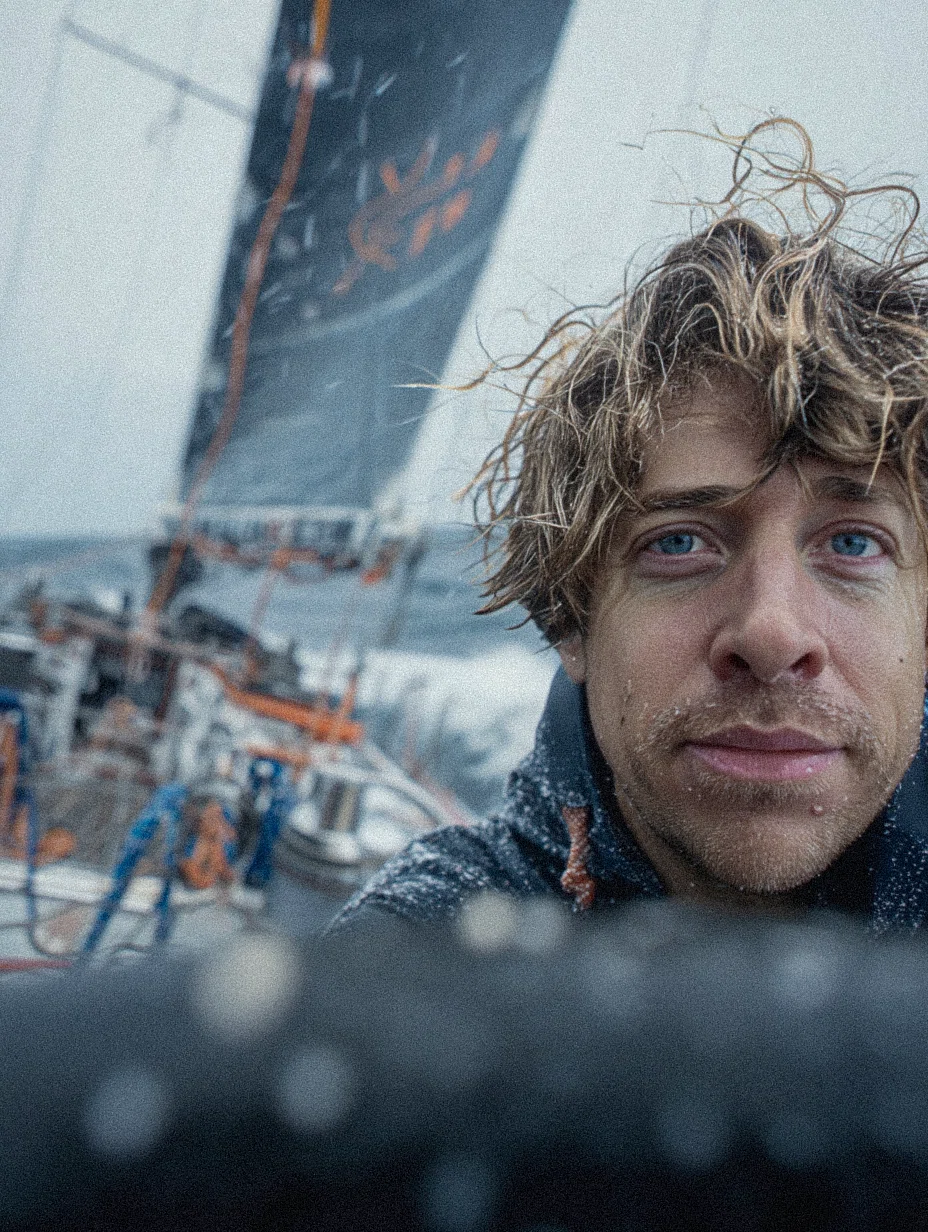
Augustus was recently photographed racing his sailboat in turbulent seas, in subfreezing conditions, with the water coming over the bow and visibility down to almost nothing. Most people would ask why anyone would choose this, and he would argue they're asking the wrong question. The real question is what your discomfort signals to capital.
The Commodification of Pain
You can't really have both comfort and capital. A founder who spends weekends at a spa is indistinguishable from an employee, but a founder who spends weekends racing a sailboat in turbulent seas is running a different kind of asset. That is brand equity.
Every shiver is a signal, and every moment of physical duress is proof that you've optimized away the survival reflex that keeps ordinary people warm, safe, and replaceable. Discomfort becomes an asset class the moment you choose it deliberately.
The Adverse Conditions Moat
The best ideas tend to come from adverse conditions, and rarely from brainstorming sessions. When your body is failing, your mind sharpens, because it has to. The brain diverts resources from empathy and doubt and anything that isn't mission-critical, and this is the state VCs want to fund. This is what "founder mode" actually means.
If you can think clearly while freezing, you can think clearly during a down round, and if you can make decisions with watery eyes and numb fingers, you can make decisions when the board is pressing you to lay off forty percent of the company. Consider it stress testing for your eventual collapse.
Discretionary Hardship Theory
Anyone can suffer by accident, but only the truly committed choose to suffer, and Augustus refers to this as discretionary hardship, the deliberate pursuit of conditions that would cause a reasonable person to quit.
There are marathons and ice baths and fasting and ten-day silent retreats, along with sleep deprivation disguised as productivity and open water racing when it's forty degrees outside. You can call them hobbies if you want, but they're investor relations. When you post about your voluntary suffering, you're communicating that you don't value your own wellbeing, and telling people to imagine what you'll do to your employees.
Due Diligence on Endurance
VCs don't invest in ideas, they invest in people who are structurally incapable of giving up. A founder who can endure unnecessary pain will endure a failing business model for years, burning through runway and relationships, because quitting would mean admitting the discomfort was for nothing.
Grit is fundable because it relies on sunk cost fallacy made flesh, not resilience.
Conclusion
Whether any of this actually builds a better company is beside the point. The point is what it signals, and it signals that you'll keep going long after a reasonable person would have stopped. That's what the market funds, and it's why the suffering always ends up posted rather than kept private.
Augustus
Venture Doula